Anaïs Ventures leads €5.48 million seed round for Synature
Geneva's Anaïs Ventures led Synature's €5.48 million seed first close, with the Bloom Foundation and angels including Neuralink's Tim Gardner backing AI that reads more than 15,000 species.
Key takeaways
- Anaïs Ventures led the €5.48 million (CHF 5 million) first close of Synature's seed round.
- The Bloom Foundation and angels including Tim Gardner, co-founder of Neuralink, also invested.
- Synature was founded in 2024 by Olivier Stähli (EPFL) and Noah Schmid (ETH Zurich).
- Synature says it has run 60-plus projects in 17 countries on six continents, detecting 1,500-plus species and 8 million-plus calls.
- Use of funds includes industrial-scale Smart Mic production with Swiss manufacturing partners, targeting unit cost cuts of more than half.
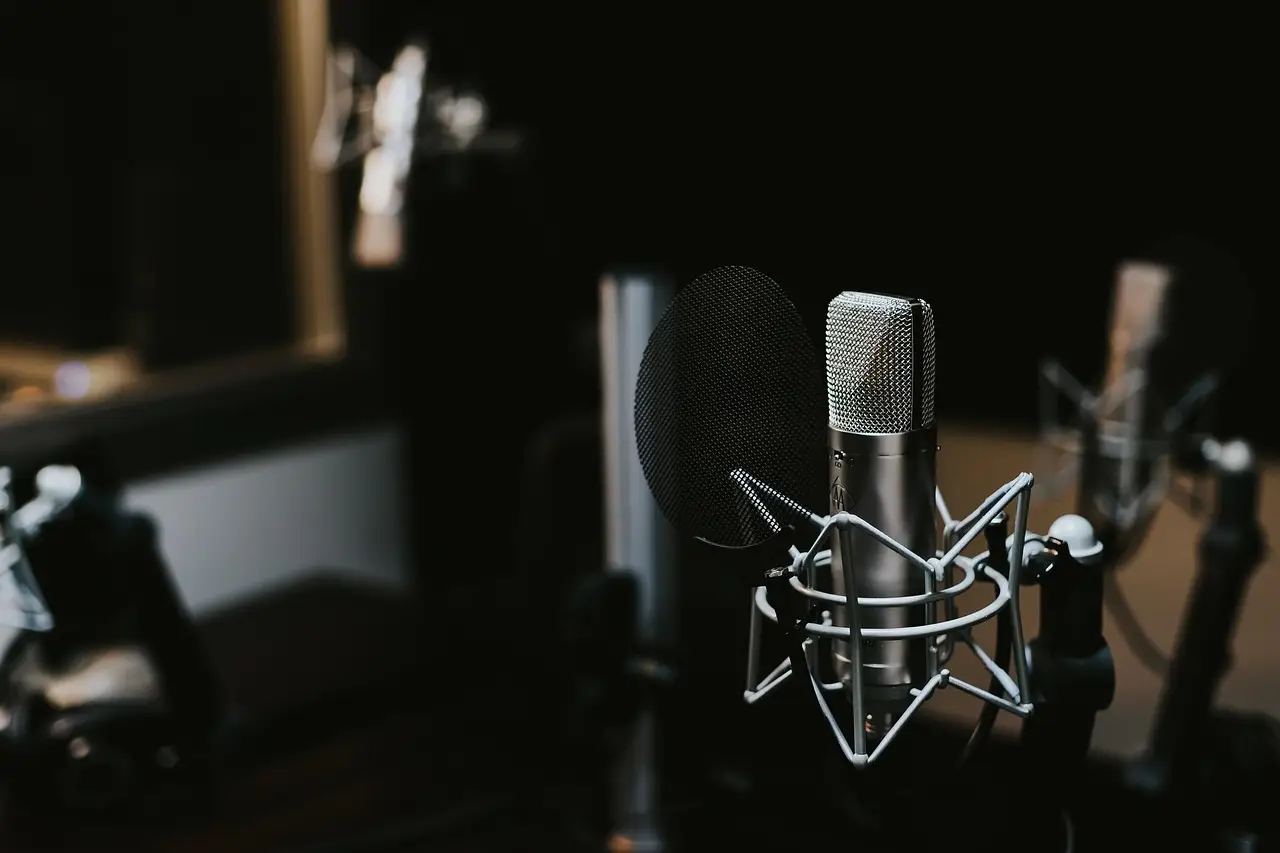
Anaïs Ventures, the Geneva-based investor, led the €5.48 million (CHF 5 million) first close of Synature's seed round, the Lausanne-based EPFL spin-off said. The firm was joined by the Bloom Foundation and a group of angel investors, including Tim Gardner, co-founder of Neuralink.
Olivier Stähli, co-founder and CEO of Synature, said the money moves the company from validation to deployment. "Nature is constantly communicating, and for the first time AI lets us listen at scale. This round takes us from proving the technology to deploying it across thousands of hectares, turning listening into action for biodiversity," he said.
What does Synature sell?
Synature builds the Smart Mic, a rugged, solar-powered autonomous microphone that records continuously in the field and uploads audio directly to the company's cloud platform over LTE (cellular) or Wi-Fi.
The platform has three layers: the hardware, Synature's proprietary AI models and the browser-based SynApp, which converts hours of audio into verified species detections, biodiversity trends and reporting-ready exports. SynStudio, a data management platform, lets researchers manage, annotate and share acoustic datasets.
The system also reads third-party recorders, including AudioMoth and SongMeter, which lowers the entry cost for ecologists who already own equipment in the field.
Once audio reaches the cloud, the AI models identify species from their calls, covering more than 15,000 species out of the box. Coverage runs from birds, bats and mammals to insects and amphibians. The models distinguish call types and sexes, and for some species, individual counts.
How far has Synature deployed?
The company says it has run more than 60 projects across 17 countries on six continents, detecting over 1,500 species and logging more than 8 million animal call detections.
Customers include two Fortune Global 500 companies, along with public authorities and conservation organisations active in infrastructure, protected areas and agriculture. Several hundred units of the fourth-generation Smart Mic have already been pre-ordered.
Demand rests on a regulatory pull. WWF's 2024 Living Planet Report found that monitored wildlife populations have declined by an average of 73% since 1970. At the same time, evidence of biodiversity is required for permits, sustainability reporting and access to capital.
"Reliable biodiversity data is essential to monitoring the health of our ecosystems, yet today it barely exists at scale. Synature has built with rare scientific rigour the infrastructure to gather and analyse it continuously and verifiably," said Julien Firmenich, CEO of Anaïs Ventures.
Firmenich added: "We are immensely proud to back Olivier, Noah and their team as they turn a breakthrough technology into an industry standard."
Where will the capital go?
Synature will direct the new capital across four areas, spanning industrial-scale production of its solar-powered microphone, acoustic foundation model training (large-scale models pre-trained on sound), product upgrades and hiring.
- Moving Smart Mic production to industrial scale with Swiss manufacturing partners, with a target of cutting unit costs by more than half.
- Training acoustic foundation models designed to set new benchmarks for species coverage and accuracy.
- Enhancing both SynApp and SynStudio.
- Expanding the company's business development and scientific teams.
The startup also works toward a global network of smart microphones across farms, forests, fisheries and conservation sites, producing a continuous sensory layer for life on Earth. With future models, Synature plans to move from relative detection counts to estimating absolute animal population numbers.
Who is behind Synature?
Synature was founded in 2024 by Olivier Stähli, an EPFL (École Polytechnique Fédérale de Lausanne) graduate, and Noah Schmid, a computer science alumnus of ETH Zurich (Swiss Federal Institute of Technology in Zurich). Stähli serves as co-founder and CEO.
The scale of deployment now sits against the trend WWF measured: 8 million logged animal calls at Synature, against an average 73% decline in monitored wildlife populations since 1970.
synature.ai (Original)
More from Grace Kim
Show full bio
Correspondent covering regulation, policy and their impact on Deal Announcements is a trade news site that at Deal Announcements.
26 articles