Tesla files German merger plan to buy machine-tool maker EMAG
Tesla has filed plans with Germany's competition authority to acquire EMAG, the Salach machine-tool maker whose gear-cutting equipment targets humanoid robot actuators. No price disclosed; around 220 staff would move.
Key takeaways
- Tesla has filed a plan with Germany's competition authority to acquire EMAG, a machine-tool maker near Stuttgart; financial terms were not disclosed.
- EMAG lost €42m (US$49m) on revenue of €496m (US$575m) in 2024 and announced 455 job cuts in Germany a year ago.
- Tesla renamed a shell company, registered in August, as Tesla Machining Technologies Management SE, with its business address at EMAG's Salach headquarters.
- Around 220 EMAG employees will move to Tesla, according to Stuttgarter Nachrichten.
- Musk identified the hand as Optimus's main hardware challenge, with custom gears a reliability concern, as Tesla installs a Fremont line designed for 1m robots a year.
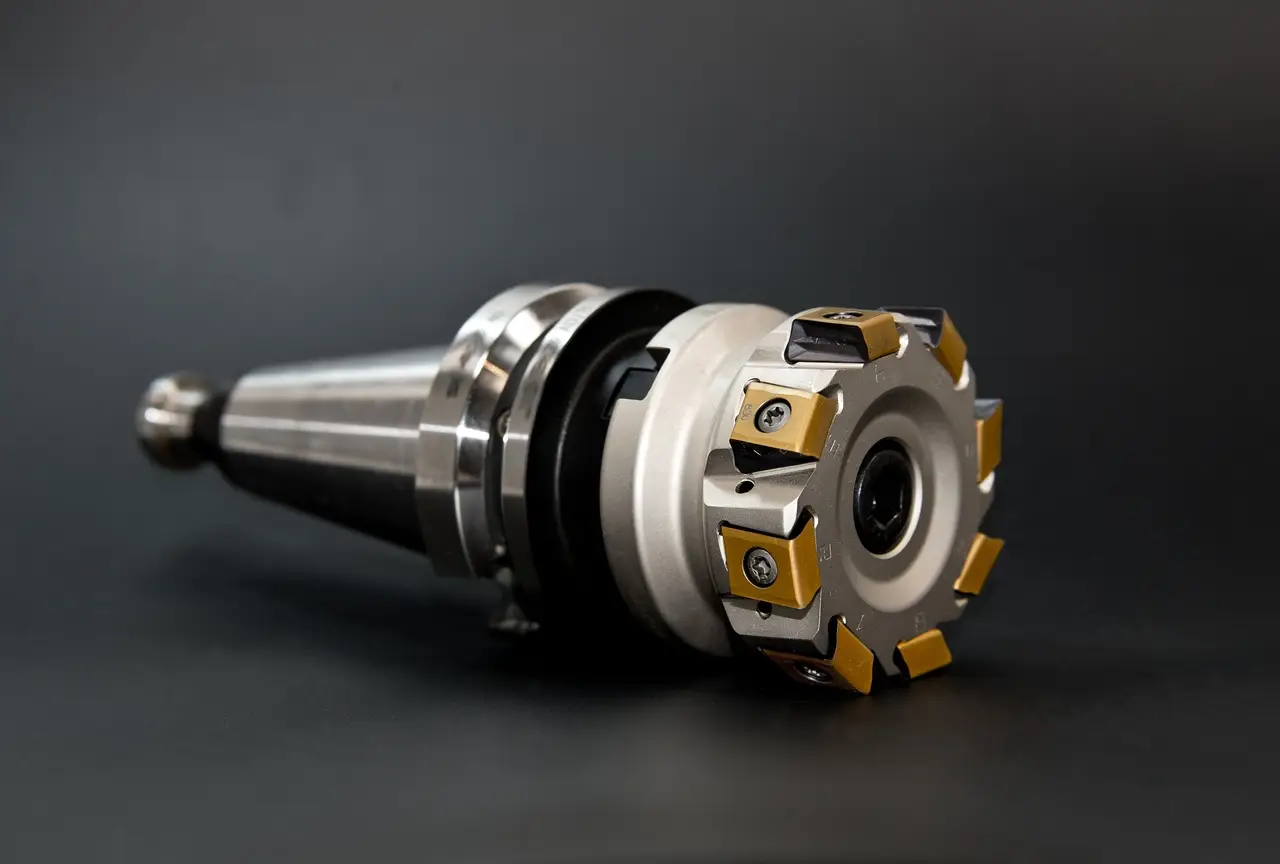
Tesla has filed plans with Germany's competition authority to acquire EMAG, a machine-tool maker headquartered in Salach near Stuttgart, with no financial terms disclosed and both sides staying quiet. Tesla declined to comment. EMAG did not respond to a request from Reuters. That silence is standard pre-clearance practice, and the filing itself is the substance: a deal has moved from speculation to a formal antitrust notification in Germany.
For a buyer with Tesla's balance sheet, the interesting clause here is not price. It is control.
What has surfaced in the paperwork?
A renamed shell company anchors the structure. Tesla registered the entity in August and renamed it Tesla Machining Technologies Management SE, according to Germany's company register. Its business address is EMAG's headquarters in Salach. Business Insider Germany reported that its managers include Tesla Germany's head of sales and the head of HR at Tesla's Grünheide plant. The Stuttgarter Nachrichten has reported that around 220 EMAG employees will move to Tesla.
So the acquirer has already staffed a holding vehicle with its own country leadership and parked it at the target's registered office. Practitioners will recognise the sequence. That is a deal in its final drafting stage.
Who is the target?
EMAG is an old firm. Its roots date back to 1867. It makes turning, grinding and gear-cutting machines, mainly for car drivetrains, and the automotive downturn has hit it hard.
The numbers frame the vendor's motivation:
- 455 job cuts announced in Germany a year ago
- €42m (US$49m) loss on revenue of €496m (US$575m) in 2024, according to Business Insider
- A pivot already under way into robotics, producing machines for strain wave gear components and planetary gears used in humanoid robot actuators
This is a distressed-asset profile with a growth thesis attached. The German automotive supplier base is weak, and precision manufacturing know-how is available to well-funded buyers. How much industrial capability Germany retains under domestic ownership is now a live question for Berlin.
Why does Tesla want gear-cutting machines?
The logic is the Optimus humanoid robot. On Tesla's third-quarter earnings call, Chief Executive Elon Musk identified the hand as Optimus's main hardware challenge and flagged custom gears as a reliability concern. Tesla is installing a line at Fremont designed for 1m robots a year.
One million robots a year implies actuator volumes that no merchant supplier base currently serves. Precision actuator components are a market led by specialists such as Japan's Harmonic Drive. If gears are the bottleneck at those volumes, buying the company that machines them removes a supplier dependency that rivals cannot replicate.
Tesla has already been building toward this. Since July it has recruited at its Reutlingen site, the former Manz operation, to develop and manufacture Optimus components including gearboxes and actuators.
What does the deal change for the sector?
Three shifts matter for deal desks watching this space.
First, actuator supply becomes a humanoid bottleneck. A move to acquire a maker of gear-cutting machines signals that Tesla sees precision actuator components as a constraint on scaling humanoid production, one it would rather control in-house than source.
Second, distressed German engineering firms become live targets. The automotive downturn has weakened the country's specialist machinery makers, and their precision know-how is increasingly for sale.
Third, robotics offers powertrain suppliers a lifeline. EMAG's push into humanoid actuator parts suggests gear and drivetrain expertise built for combustion vehicles transfers to robotics. Suppliers exposed to declining transmission work have a potential new market.
For EMAG's owners, the transaction offers an exit from a painful cycle. For Tesla, the calculation is vertical integration at the component level, securing a supply few rivals can match.
What happens next?
German merger control now runs its course. Terms, closing conditions and any commitments to preserve jobs at Salach may surface in the clearance decision. Until then, the register filings, the shell company and the 220-employee transfer figure are the only hard facts on the table.
Google News · To Acquire (Source)
More from James Calloway
Show full bio
Market editor covering technology and product news in Deal Announcements is a trade news site that at Deal Announcements.
27 articles