Altair Semiconductor Raises $100M Series A for AI Wearable Modem Chip
Sony spin-off Altair Semiconductor closed a $100 million Series A led by Maverick Silicon, with Pitango re-upping, to fund 2027 mass production of its four-mode ALT1550 modem chip for AI glasses and wearables.
Deal terms
At a glance
- Investor (lead)
- Maverick Silicon, the semiconductor business unit of Maverick Capital
- Company
- Altair Semiconductor, an Israeli modem chipmaker spun off from Sony
- CEO
- Nohik Semel
- Lead investor profile
- Maverick Silicon has backed Tenstorrent and iPronics
Key takeaways
- Altair Semiconductor raised $100 million in a Series A led by Maverick Silicon, with Pitango participating; the valuation was not disclosed.
- The ALT1550 combines 5G eRedCap (up to 233 Mbps), LTE-M, Cat 1bis and a satellite fallback on a single chip.
- Sony acquired Altair in 2016; the company was spun out and rebranded in April 2026 with an initial $50 million led by Pitango, Sony remaining a shareholder.
- Mass production of the ALT1550 is planned for 2027, funded by the new round.
- Altair took part in an upgraded 5G RedCap trial with Ericsson and reports ALT1550 orders ahead of expectations.
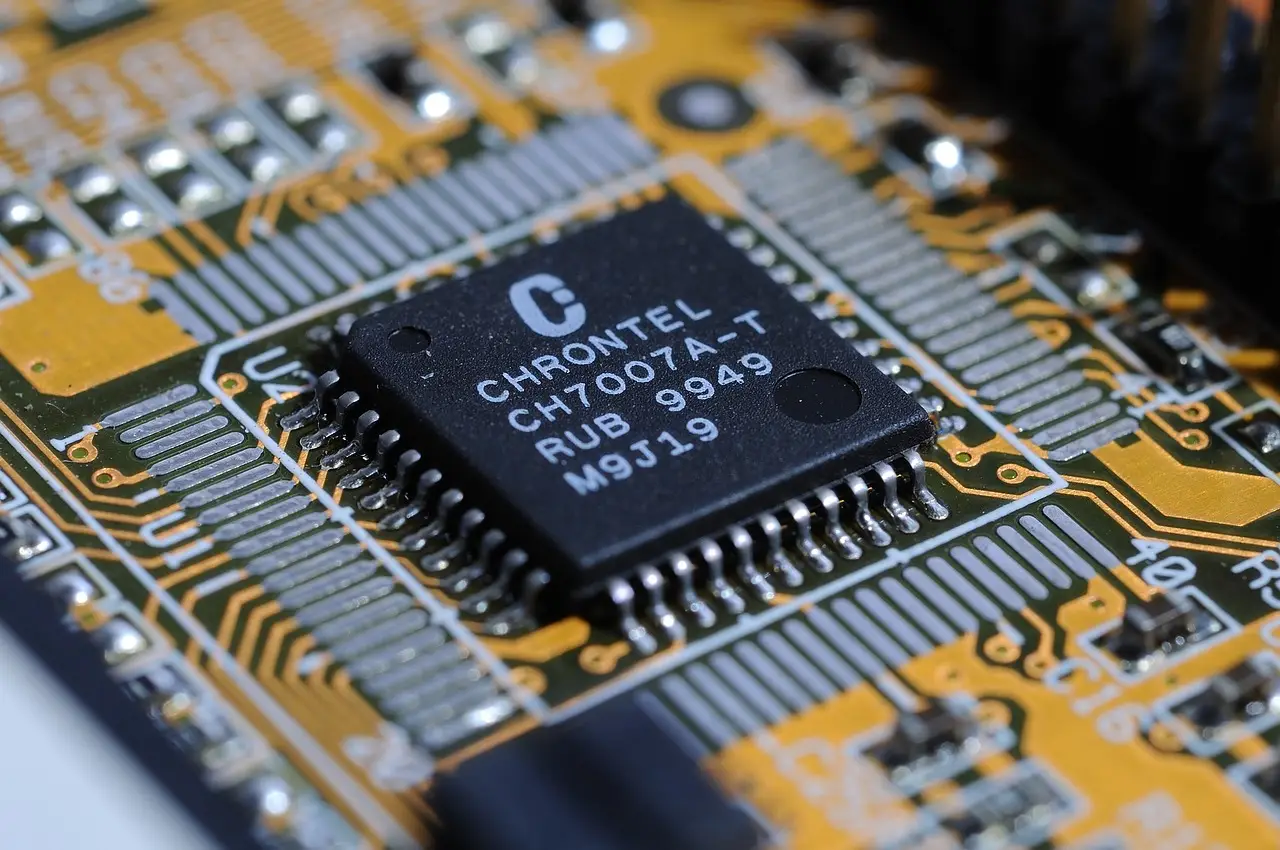
Altair Semiconductor has raised $100 million in a Series A to fund volume production of its ALT1550 modem chip, the single-chip cellular link aimed at AI glasses and other always-on wearables. Maverick Silicon, the semiconductor unit of Maverick Capital, led the round. Pitango, the Israeli venture firm that backed the company earlier this year, joined again. The valuation was not disclosed.
Altair's CEO is Nohik Semel. The company did not name its device-maker customers.
Why AI devices need a different kind of connection
New AI gadgets upload voice, photos and other data to the cloud continuously. They are small, cheap to build and carry tiny batteries. They need a connection that stays awake and draws very little power.
A smartphone carries a massive battery and a powerful radio. A pair of AI glasses does not. These devices link to carrier networks differently, through special low-power standards built for low, constant data rates. The trade-off is hard: high speed means high power. As phone companions shift to standalone wearables, the modem can make or break the product if the device must remain attached to a cloud model.
How Altair's chip solves the problem
The ALT1550 packs four connection types into a single chip:
- 5G eRedCap — a reduced-power version of 5G, peaking at up to 233 Mbps while consuming far less power than a normal phone line
- LTE-M — a low-power version of LTE 4G
- Cat 1bis — ten times faster than LTE-M
- Satellite link — a fallback when no cell tower is nearby
The combination gives device manufacturers room to maneuver. They can transition from 4G to 5G without redesigning around one particular processor, and can choose whatever companion AI chip they want.
Altair is not a newcomer. Its chips already ship in smart meters, delivery truck trackers, medical devices and street lights. The company claims millions of deployed devices.
Who's behind the $100 million round
Sony acquired the Israeli chipmaker in 2016, and it operated as Sony Semiconductor Israel. In April 2026 it was separated and rebranded. At that point Pitango led an initial $50 million funding, with Sony staying on as a shareholder. Seven months later, Maverick Silicon led the new $100 million round with Pitango participating again.
What does the money buy?
The immediate work sits on the factory floor. Altair plans to start mass production of the ALT1550 in 2027. The new capital covers three needs:
- Volume production of the ALT1550
- Development of new connectivity chips beyond the ALT1550
- Customer acquisition in North America, Europe and Asia
There is early traction. Altair reports it has received more orders than it expected for the ALT1550, and says it is working with top device manufacturing companies. It also took part in an upgraded 5G RedCap trial with Ericsson.
The competitive picture remains open. Low-power cellular modems form a crowded market, and Altair has not yet identified its customers by name. Converting an order book into disclosed design wins across three regions is the next task the $100 million must fund.
altairsemi.com (Original)
More from Amara Osei
Show full bio
Staff writer covering regulation, policy and their impact on Deal Announcements is a trade news site that at Deal Announcements.
16 articles