Apiary Therapeutics raises $7.3M CAD seed for stem-cell B cell platform
Apiary Therapeutics secured $7.3 million CAD in seed funding co-led by Genesys Capital and BDC Capital's Life Sciences Venture Fund, with InBC and Mission BioCapital participating.
Deal terms
At a glance
- Amount raised
- $7.3 million CAD seed round
- Lead investors
- Genesys Capital and BDC Capital's Life Sciences Venture Fund
- Fund track record of Genesys Capital
- More than $400 million invested over 25 years; 20 exits
Key takeaways
- Apiary Therapeutics raised $7.3 million CAD in seed funding, announced Monday
- The round was co-led by Genesys Capital and BDC Capital's Life Sciences Venture Fund
- InBC and Mission BioCapital participated in the financing
- The company plans preclinical trials in model animals and team expansion in Vancouver and Toronto
- It is the second investment from BDC Capital's new Life Sciences Venture Fund
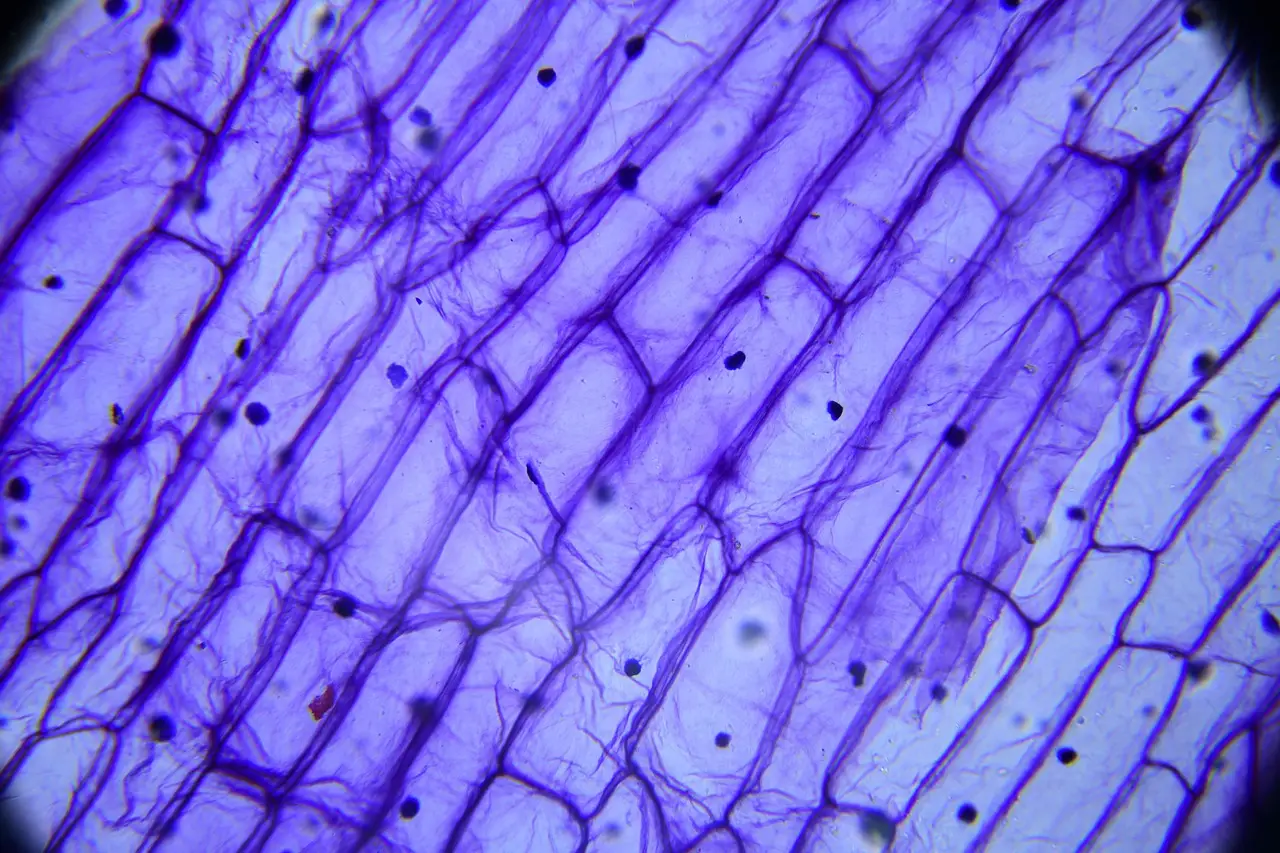
Apiary Therapeutics, a Canadian biotechnology startup engineering stem cell-derived therapies, has raised $7.3 million CAD in its first venture round to move its platform toward pre-clinical trials.
The seed round, announced Monday, was co-led by Genesys Capital and BDC Capital's Life Sciences Venture Fund, with participation from InBC and Mission BioCapital. Apiary plans to use the capital to validate its technique in preclinical trials — testing in model animals such as mice — before any human trials, and to expand its teams in Vancouver and Toronto.
Co-founder Yale Michaels, an assistant professor at the University of Manitoba, framed the therapeutic ambition in one sentence. "A medicine that the body makes for itself, at the right level, in a durable manner, from one dose would change what treatment looks like for people who today depend on frequent infusions," he said in a statement.
What does the technology actually do?
Apiary was co-founded by Michaels and Peter Zandstra, a University of British Columbia biomedical engineering professor who has previously founded three biotech startups. Their approach turns stem cells, rather than a patient's blood, into B cells — the white blood cells that make antibodies — engineered to create proteins that fend off disease.
The company sees potential applications across three broad categories:
- protein deficiencies;
- autoimmune diseases;
- fighting cancers.
The near-term milestone is straightforward: demonstrate that the technique works in animals before regulators or clinicians see any human data. The rounds follow the familiar seed-stage path — validate the platform first, then expand.
Why this round matters for BDC
The deal is the second investment announced from BDC Capital's Life Sciences Venture Fund, a new direct investment vehicle from the Crown corporation. That fund followed a public admission from BDC's leadership that the bank had pulled back from life sciences investing too early.
For Genesys Capital, the co-lead role extends a long-standing life sciences franchise into early-stage cell therapy. The round also counts InBC, British Columbia's investment arm, and Mission BioCapital among the participants.
How does the round sit in the wider market?
The financing lands against a difficult backdrop. The medtech industry is on track to record its lowest financing activity in a decade, a funding crunch that has hit early-stage therapeutic companies hardest.
An early-stage stem cell platform raising $7.3 million CAD in that climate signals that dedicated life sciences vehicles are still deploying into preclinical biotech, even as the broader market retreats. For founders spinning academic research into companies, the deal shows public-sector and specialist capital remain available for platforms with a credible path to animal data.
The question now is whether Apiary's engineered B cells perform in mice. Everything after that depends on it.
linkedin.com (Original)
The background
The pattern behind the round2
The round reflects a broader pattern of Canadian university-linked researchers spinning out stem-cell and immunology technologies with public-sector co-investors.
Sources
- utoronto.ca — U of T, together with McMaster, announces early-stage life sciences venture fund with Genesys Capital - University of Toronto · July 8, 2026
- wisevoter.com — Apiary Therapeutics Raises $7.3M CAD in Seed Funding - Wisevoter · November 25, 2026
More from Rebecca Stone
Show full bio
News editor covering regulation, policy and their impact on Deal Announcements is a trade news site that at Deal Announcements.
18 articles