Duke spinout Lumius raises US$4.5M seed for 3D ultrasound push
Lumius, a Duke University spinout co-founded by Vietnam-born CEO Dr Tri Vu, has raised US$4.5 million in seed funding led by FundersClub to build real-time 3D ultrasound at point-of-care prices.
Deal terms
At a glance
- Amount raised
- US$4.5 million seed round
- Lead investor
- FundersClub
- Co-investors
- Y Combinator, A2D Ventures, Boost VC, Robinhood Ventures, Vento Ventures, Medblue Incubator, 007 Venture Partner, Exitfund, OV Ventures
Key takeaways
- Lumius raised US$4.5 million in seed funding led by FundersClub
- The round included Y Combinator, A2D Ventures, Boost VC and seven other investors
- The company claims its LumiAlta device will cost about one-tenth of high-end 3D ultrasound systems
- Lumius holds a US$340,000 research subcontract led by Columbia University and Dartmouth
- Southeast Asian healthtech funding fell from US$397 million in 2023 to US$59.7 million in 2025
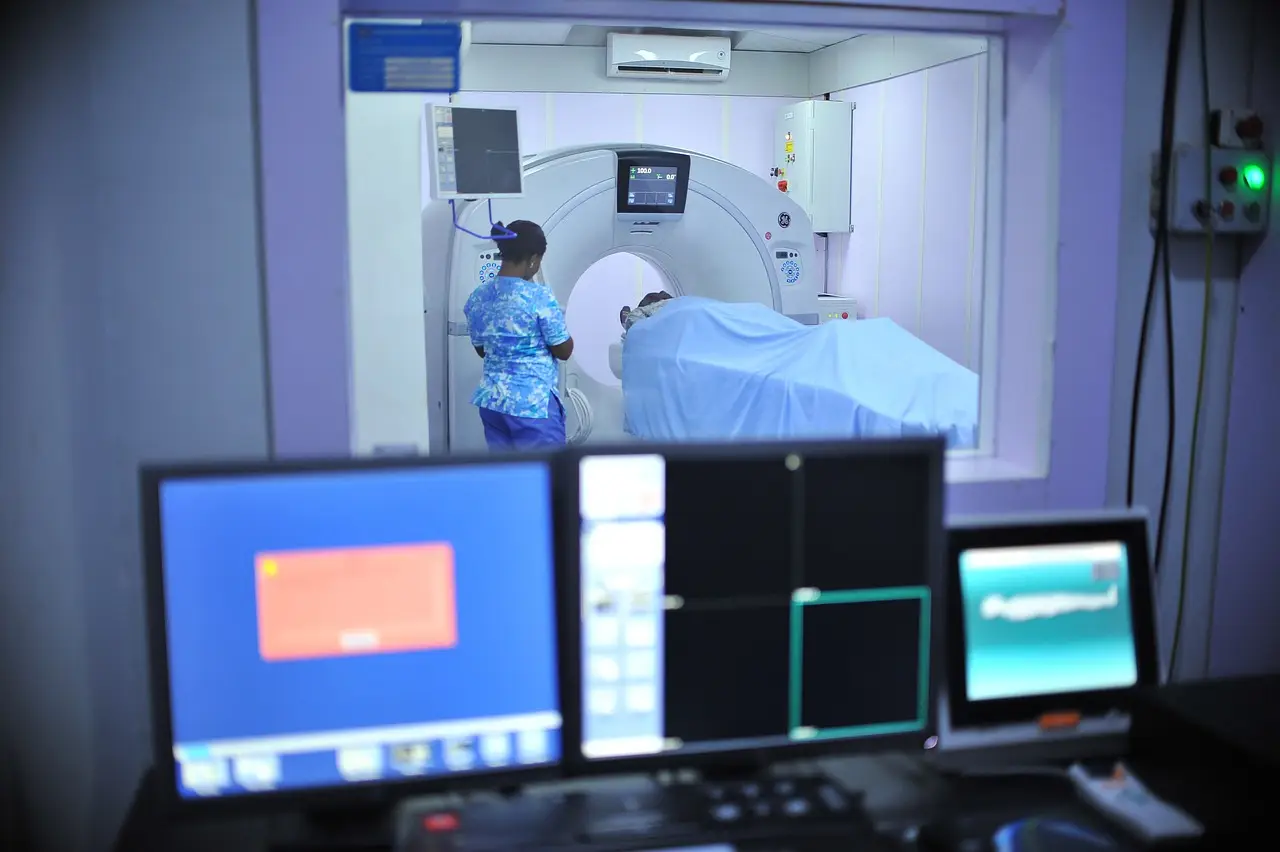
Lumius, a Duke University spinout co-founded by Vietnam-born CEO Dr Tri Vu and CTO Dr Luca Menozzi, has raised US$4.5 million in seed funding to build real-time 3D ultrasound devices for hospital point-of-care use. FundersClub led the round. Y Combinator, Singapore-based A2D Ventures, Boost VC, Robinhood Ventures, Vento Ventures, Medblue Incubator, 007 Venture Partner, Exitfund and OV Ventures also participated.
The company will use the capital to finish LumiAlta, its first device, and to run validation studies against standard 2D ultrasound. The plan then moves to regulatory work: FDA 510(k) clearance, the US regulator's route for devices deemed substantially equivalent to products already on the market, followed by a launch with ten initial customers.
What problem does the device target?
The near-term use case is central line placement, the threading of a catheter into a large vein in the neck, chest or groin. On a 2D ultrasound screen, the clinician sees a flat slice and must reconstruct the vein, the artery and the needle tip mentally. Lumius claims about half of first attempts fail.
LumiAlta shows the vein, artery and needle tip in real-time 3D, with AI labelling vessels, nerves and muscle on screen. The company says the device will cost roughly one-tenth as much as high-end systems and take minutes, not weeks, to learn. Existing volumetric systems, it says, cost about ten times more than standard machines, which is why they rarely appear outside cardiac and fetal imaging.
"Ultrasound is the safest, most accessible imaging we have, yet it has barely changed in decades," Vu said. Menozzi was blunter: "Anyone who has placed a central line knows the frustration of guessing in 2D."
Who are the founders?
Vu studied at the University at Buffalo, completed a PhD in biomedical engineering at Duke and spent eight years in ultrasound research. He published more than 30 papers, some in Science and Nature-family journals, and worked at Philips Ultrasound. Menozzi is an NSF Graduate Research Fellow who wrote the volumetric reconstruction algorithm behind the pair's Nature Communications paper and won Duke's best biomedical engineering PhD dissertation award this year.
Lumius emerged from the Duke-Coulter Translational Partnership and went through Y Combinator's Spring 2026 batch. The company says it has moved beyond the original university invention and filed an independent, fully owned provisional patent on its core technology. A provisional filing secures a priority date but is not a granted patent.
What traction does the company have?
Traction is early. Lumius holds a US$340,000 research subcontract led by Columbia University and Dartmouth. It also has letters of intent from Aion Biosciences, Andromeda Surgical and the University of Oklahoma. Letters of intent signal interest; they are not purchase orders.
The competitive gap sits between two camps. GE HealthCare and Philips, Vu's former employer, dominate premium ultrasound with distribution, service contracts and procurement relationships that Lumius lacks. Handheld players such as Butterfly Network and Clarius sell portability rather than volumetric imaging. Lumius wants premium-grade 3D at point-of-care prices. An incumbent could cut 3D prices or add AI guidance to existing probes faster than a seed-stage startup can clear the FDA.
Why did Southeast Asian capital join?
For A2D Ventures, the bet is partly about the founder's origin. "We're also proud to see a founder from Southeast Asia co-leading one of the most ambitious deep tech companies in YC," said Ankit Upadhyay, its founder and general partner. "Founders from our region are building at the very top of global deep tech, and we want to back them when they do."
The backdrop is a weak funding market. Southeast Asian healthtech funding fell from US$397 million in 2023 to US$59.7 million in 2025, according to e27's analysis of Tracxn data. Medical hardware is the hardest corner of that market, with long regulatory timelines and expensive manufacturing. Lumius itself is Southeast Asian by founder, not by address: invented in North Carolina, accelerated in San Francisco and set to launch in US hospitals.
Vu acknowledged the sequencing. "We're launching in U.S. hospitals, but this technology belongs everywhere," he said.
What does US$4.5 million have to buy?
The seed cheque covers a finished device, validation studies, a 510(k) submission and ten installations. In medtech, US$4.5 million is modest, and clinical and regulatory work alone can consume much of it. After vascular access, Lumius plans to move into blood clot detection, nerve block imaging, tumour diagnosis and biopsy guidance, each requiring its own clinical evidence and possibly its own FDA review.
The next 18 months will show whether the company can convert papers and pedigree into purchase orders.
e27 (Source)
More from Grace Kim
Show full bio
Correspondent covering regulation, policy and their impact on Deal Announcements is a trade news site that at Deal Announcements.
26 articles