SPCTR secures €2.8 million for real-time tumour margin checks
SPCTR secured €2.8 million from five investor groups for multisite SPCTRone studies, a first device series and CE-marking work, with a conditional late-2026 follow-up planned.
Deal terms
At a glance
- Clinical margin rate
- Tumour cells are found at the surgical margin in 10.8% of breast-conserving surgeries in the Netherlands.
- First study
- SPCTRone was evaluated in a first study of more than 200 patients at UMC Utrecht and the Academic Breast Centre Groningen.
- Next study
- A follow-up study is expected from late 2026 at the Academic Breast Centre Groningen, St. Antonius Hospital and Isala, subject to METC and participating-hospita
Key takeaways
- SPCTR secured €2.8 million in funding.
- Backers included VGZ Voorop in Zorg fund, Future Tech Ventures, NV NOM, business angels and the European Just Transition Fund.
- A first study evaluated SPCTRone in more than 200 patients.
- SPCTR cites tumour cells at the margin in 10.8% of breast-conserving surgeries in the Netherlands.
- A follow-up study is planned from late 2026, subject to METC and hospital approvals.
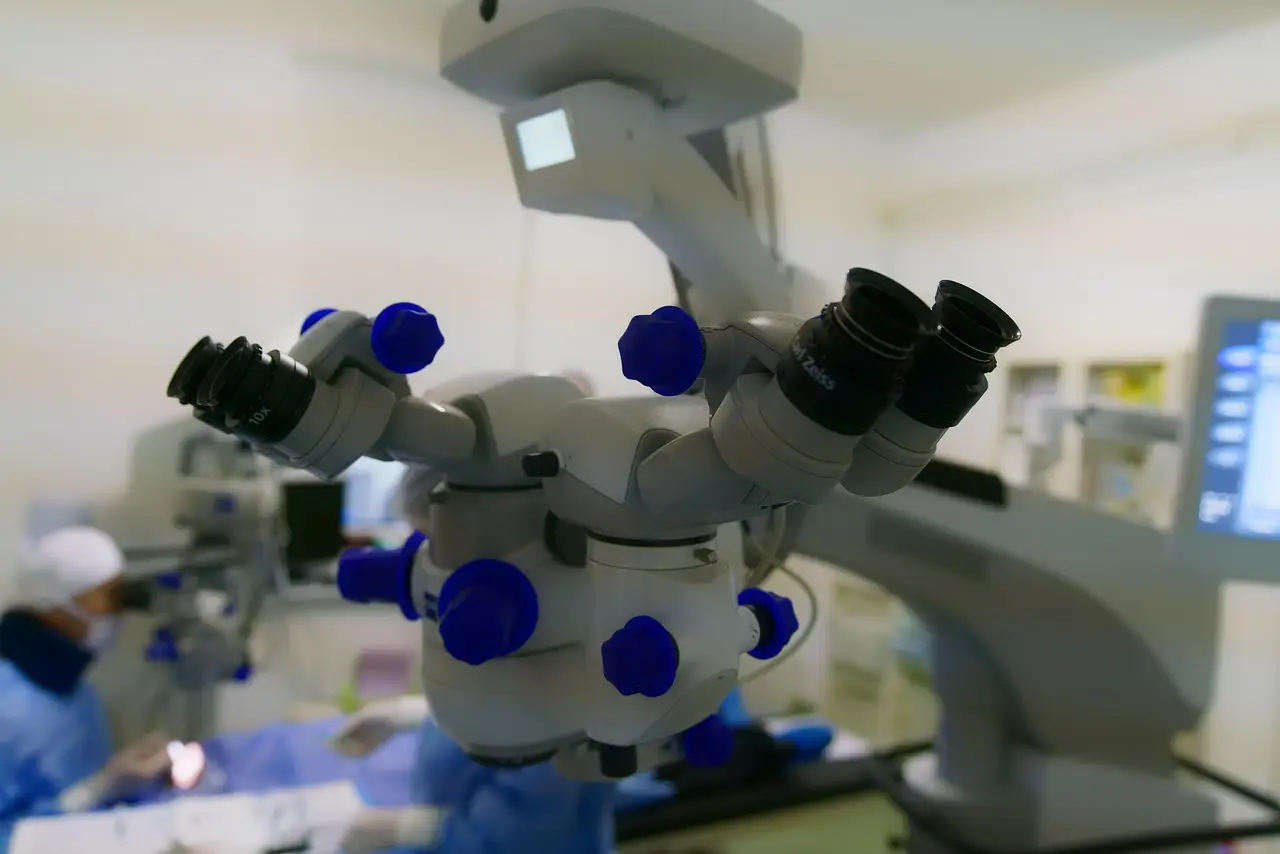
VGZ Voorop in Zorg fund, Future Tech Ventures, NV NOM, a business angel group and JTF have backed Dutch MedTech startup SPCTR with €2.8 million.
NV NOM is the Investment and Development Agency for the Northern Netherlands, while JTF is the European Just Transition Fund.
The announcement does not identify a lead investor or disclose whether the money is cash or another instrument, a valuation, ownership stakes, a closing date or advisers.
SPCTR, based in Utrecht and Groningen and founded in 2025 by CEO and co-founder Wido Heeman and Rowan Timmermans, is developing SPCTRone, an optical imaging and AI system for assessing tumour margins during cancer surgery.
Its initial focus is breast cancer, although SPCTR intends to extend the system to other cancers.
What problem is SPCTRone designed to solve?
In breast-conserving surgery, surgeons remove a tumour with a margin of healthy tissue, aiming to remove all tumour cells while sparing as much healthy tissue as possible. Pathologists usually establish whether the margin is clear several days after the operation. If tumour cells remain at the surgical margin, the patient may face a second operation or additional treatment.
SPCTRone combines optical imaging with AI to provide that assessment during the operation. The intended workflow allows a surgeon to remove more tissue during the same procedure when the image indicates it is needed. SPCTR says the system could reduce repeat procedures and ease the treatment pathway.
Wido Heeman said: “Surgeons have to judge during the operation whether they have removed enough tissue, and only find out days later whether they were right. With SPCTRone, we want to bring that answer into the operating room. This funding enables us to evaluate the technology in multiple hospitals and to further expand our team.”
SPCTRone remains in development and is available only within clinical research. SPCTR reports that a first study evaluated the device in more than 200 patients at UMC Utrecht and the Academic Breast Centre Groningen. It describes the initial results as promising.
What does the €2.8 million fund?
The company plans to use the capital for three linked steps:
- Prepare a follow-up study across multiple hospitals.
- Build the first series of SPCTRone devices.
- Take the next steps toward CE marking.
For investors, the commitment shifts SPCTR from its first research study toward multisite validation and an early device build. The study footprint is set to expand from the two institutions in the initial study to three hospitals in the follow-up, while the company also funds its next CE-marking steps.
What must happen before the follow-up study?
SPCTR expects SPCTRone to enter use from late 2026 in a follow-up study at the Academic Breast Centre Groningen, St. Antonius Hospital and Isala. The start depends on approval from the medical ethics review committee, METC, and the participating hospitals. The announced date is therefore a planned window, not a guaranteed start.
SPCTR cites the scale of the clinical problem. The company states that tumour cells are found at the surgical margin in 10.8% of breast-conserving surgeries in the Netherlands. It says intraoperative assessment could reduce additional procedures and the burden on patients’ daily lives, self-image and relationships.
Martijn Kers, Director of Innovation and Healthcare Policy at Coöperatie VGZ, said: “The investment in SPCTR fits our ambitions for future-proof healthcare in several ways. If SPCTRone can lead to fewer re-operations and follow-up treatments in practice, this is not only better for the patient, but also contributes to the accessibility, affordability and sustainability of healthcare.”
The financing buys SPCTR room to test SPCTRone across more hospitals, build the first device series and pursue CE marking, while leaving the next trial dependent on ethics and hospital approvals.
For deal teams, the immediate diligence gaps are ownership, instrument form and allocation among the named backers, none of which the announcement specifies. The next hard date is late 2026, and it remains conditional.
spctr.tech (Original)
More from James Calloway
Show full bio
Market editor covering technology and product news in Deal Announcements is a trade news site that at Deal Announcements.
27 articles